



Blog / Bob Stephen Motors Service

Blog

All Bob Stephen Motors Service Manchester Chevrolet Dealer Manchester, IA Bob Stephen Motors Manchester GMC Dealer 2024 Chevy Models Iowa Activities GM Service Center 2026 Chevy Models Manchester, IA Parks 2022 Truck Models 2023 Chevy models 2023 GMC Models 2026 GMC Sierra 1500 Food near me gmc inventory GMC trucks 2026 Chevrolet Silverado 1500 Manchester Breakfast Manchester, IA Restaurants 2024 GMC Models 2026 Chevy Traverse 2026 Traverse Chevrolet SUVs Dessert Manchester Buick Dealer Manchester Buick Service Manchester Cafes Manchester Ice Cream Pizza near Manchester Traverse inventory
Radiator Repair in Manchester, IA

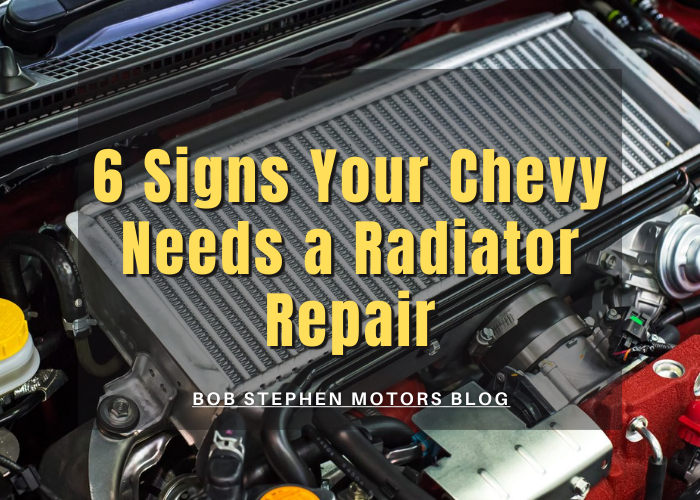
6 Signs Your Chevy Needs a Radiator Repair

An overheating engine is one of the most common causes of breakdowns. With this in mind, it's important to properly maintain your car's cooling system, including the most important part: the radiator. If you experience any of the following six issues while out on the road, you might need radiator repair. Visit your nearest Chevy dealership to have a technician inspect your car and get it back in good shape. Steam From Under the Hood A failing radiator will stop cooling and circulating antifreeze to keep your engine from overheating. And we all know from the movies that an overheating car engine lets off billows of white steam when you raise the hood. Well, this isn't entirely an exaggeration. The ordinary temperature of an active car engine is 195 to 220 degrees. The boiling point of most antifreeze is 223 degrees, which isn't much higher. So when an engine starts to overheat, the antifreeze will rapidly start turning to steam, escaping the radiator, and seeping out from under your hood. more Ticking Sounds From the Engine The next sign of an overheating engine is likely to be ticking or knocking sounds coming from the front of your car. These noises are mostly created by moving parts rubbing and bumping against each other with excess friction. Diminished Engine Power An overheating engine will stop functioning as well as it should, causing a loss of acceleration. If you don't pull over quickly to allow it to cool, the engine will eventually blow a gasket or seize up irreparably. Rising Temperature Gauge Always keep an eye on the many useful dials on your Chevy's dashboard. The engine temperature gauge will rapidly rise when you have a faulty radiator. If you see it rising above 220 degrees, you can be fairly sure something in your cooling system is malfunctioning.\ Leaking Antifreeze The radiator cap and hoses can sometimes spring a leak if they're corroded or damaged by a stone or debris. Antifreeze is an easily noticeable, brightly colored fluid. If you're in doubt, place some newspaper or cardboard under your car when you park and check it later for stains from dripping antifreeze. Excessive Rust on the Radiator Radiators can occasionally gather rust, especially in colder climates. It's a good idea to check your radiator for rust every now and then and clean any spots away with white vinegar or anti-rust products. Antifreeze has effective anti-rust properties, but aging antifreeze can sometimes fail to prevent rust inside the radiator. If this happens, your antifreeze will change to a rusty brown color. You'll need to have it flushed out and refreshed. How Your Chevy Dealer Inspects Your Radiator Firstly, a technician will check that your antifreeze is adequately clean, fresh, and at good levels. They'll scour your cooling system from top to bottom, looking for signs of leaks, rust, or corrosion. They'll then run a series of pressure tests on your radiator, checking the thermostat, radiator cap, fan, and more. And any problems they find, they'll promptly repair. Have your radiator fixed today at Bob Stephen Motors. We have a great inventory of new and used GMC and Chevrolet vehicles and courteous, knowledgeable staff to help you choose.
transmission repair Manchester, IA

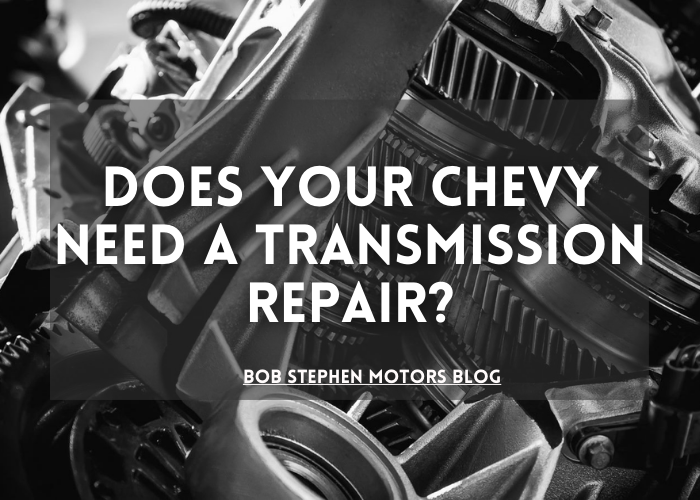
Does Your Chevy Need a Transmission Repair?

Your transmission must be in good working condition to ensure the smooth running of your Chevrolet because transmission problems will affect your car's overall performance. Below are ways to tell when to take your Spark, Malibu, or Traverse to your Chevy dealer for a transmission repair. Does Your Chevy Need a Transmission Repair From Your Chevy Dealer? Your Check Engine Light Is Illuminated A problem with your Chevy's transmission will trigger your check engine light. Ignoring the warning is asking for trouble because transmission problems worsen quickly, resulting in higher repair costs. Get a diagnostic test at your dealer to determine what is causing the issue and get it fixed as soon as possible. more Your Car Is Leaking Transmission Fluid Your vehicle needs transmission fluid to lubricate and keep the components cool. If you see reddish or brownish puddles on the ground under your car could be from a transmission fluid leak. If there's not enough transmission fluid, it will cause friction and heat that will lead to severe damage over time. The Transmission Fluid Looks Dirty Check your car's transmission fluid regularly and keep it topped off to the correct level. If you notice the fluid is discolored, cloudy, or brownish and not bright red and syrupy, it's best to replace it. You Hear Whining, Buzzing, and Humming Sounds New and strange noises are warnings that something is wrong with your car. A faulty transmission will start making whining, buzzing, and humming sounds while the engine runs. If you drive a manual, you might hear horrible grinding noises when you shift gears. Your Transmission Is Slipping Driving a car that slips in and out of gear is dangerous. Your automatic transmission's gears will slip while you're driving when there's too little transmission fluid. If you drive a manual, your car could slip out of gear for a few seconds or be slow to downshift or upshift when accelerating. To prevent transmission failure, especially if you drive a manual vehicle, get the problem sorted out ASAP. You Struggle To Shift Gears If your car is low on transmission fluid or there is a leak, you will struggle to change gears on a manual transmission. Ask your Chevy technician to repair the problem as soon as you have gear shifting issues because the longer you wait, the more damage will occur, increasing the repair costs. You Smell a Burning Odor Severe transmission problems and overheating will cause a burning odor coming from the front of your Chevy. To avoid a complete transmission overhaul, get your car to your dealer for repairs immediately. If your Chevy shows any of the above signs or symptoms, ask a qualified Chevrolet technician to take a look as soon as possible. Call Bob Stephen Motors today to schedule a transmission service, and the Chevy team will perform expert repairs.

Alternator Repair near Manchester, IA

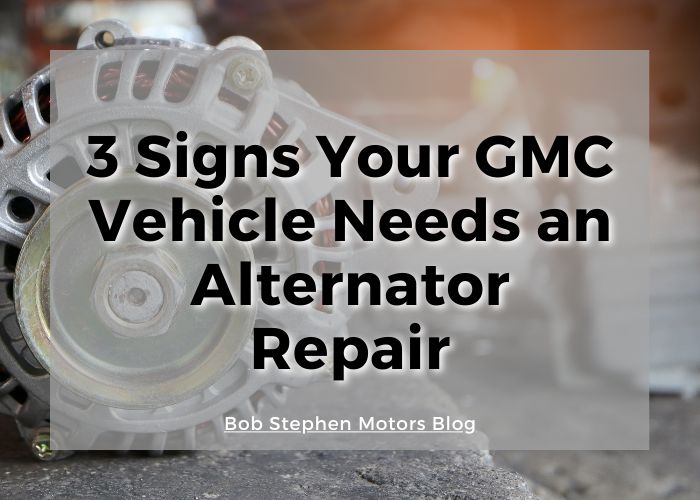
3 Signs Your GMC Vehicle Needs an Alternator Repair

The alternator is a crucial part of your engine. It produces the electrical power for all your GMC systems and maintains your battery at full charge. An alternator will gradually wear out, and you'll need an alternator repair or replacement at your GMC dealer. We'd like to give you advice on some signs that your alternator could be failing. 3 Signs You Need an Alternator Repair at Your GMC Dealer Loose or Damaged Connections The electricity produced by your alternator has to get to the electrical systems that need it. Electricity is transmitted through your car by a vast network of cables and wires. These wires are insulated to protect against electrical shorts and the harsh conditions of your car's engine. If you start experiencing an electrical problem, there could be faulty wiring or connections. more Wires and cables move as your car drives, and this can cause connections to loosen. Wiring can also wear out or break, cutting power to components. You might also smell burning plastic as a damaged wire is overheating due to electrical flow. This causes the wiring to heat and the insulation to burn. Our technicians will trace the wiring and connections and repair any damage. Strange Sounds From the Engine As a GMC driver, you know your vehicle makes almost no sound as it works. Any unusual sounds from the engine are a sign of trouble. Whining, growling, or clunking noises are all signs of something wrong. These noises can all be caused by problems with the alternator, and they need to be investigated ASAP. Whining noises may come from a worn or damaged alternator belt. This belt controls the alternator, and it could be running over a worn or jammed pulley. Clunking noises may come from a damaged or broken alternator bearing, and they become louder as the alternator spins faster. Growling noises may be a sign that the alternator itself is failing. We'll examine the electrical system and repair the cause of the problem. Check Battery Light Your electrical system has numerous sensors that monitor it. These sensors collect information on their attached system and send this information to your car's computer. If a sensor detects a problem, it will warn your computer, and the battery warning light will come on. A failing alternator can trigger the warning light. A healthy alternator produces approximately 14.5 volts, which is more than sufficient to maintain your electrical system. As your alternator ages, this power supply will drop. If the sensors detect that your alternator is producing less than 12 volts, the sensors will sound the alarm, and the warning light will come on. A failing alternator will always show signs that it's wearing out. Call us today at Bob Stephen Motors, and we'll check your alternator for you.

brake repair in Manchester, IA

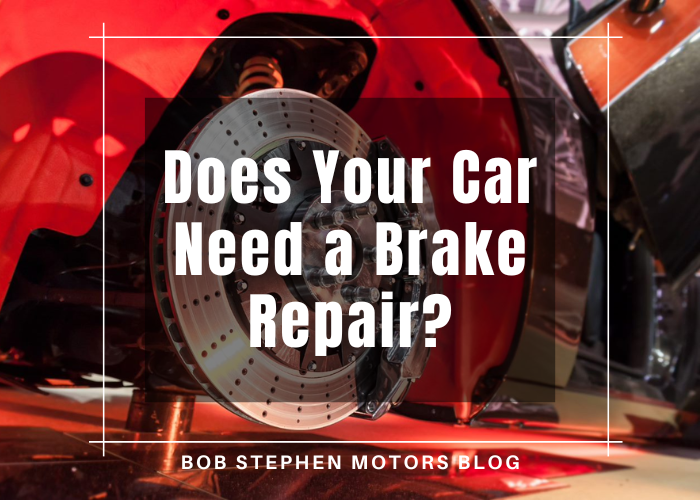
Does Your Car Need a Brake Repair?

When you get behind the wheel, it's important to know that you can control your speed. The braking system has numerous parts, and heat, pressure, wear, and the elements all take their toll on these components. As your GMC dealer, we can help when you need a brake repair. These are a few of the signs your brakes need some work. Signs You Need a Brake Repair at Your GMC Dealer Your Brakes Screech Screeching noises from the brakes are a warning. They warn that your brake pads have worn thin and need to be replaced. The brake pads fit into the brake calipers. The calipers are positioned above each of the wheel rotors, and their job is to stop your car. When you hit the brakes, pressurized brake fluid forces the calipers against the rotors. This action generates the friction that stops your wheels. The friction material on the pads slowly wears down. When the material reaches the point that it needs replacement, a metal spike buried in the pad will become visible. This spike will scrape against the wheel rotor, and produce a high-pitched screeching sound. When you hear this noise, it's time to come and see us for replacement pads. more Burning Chemical Smells Brake fluid is essential for your braking system, as it provides the hydraulic power that stops your car. This fluid slowly degrades, and we replace it regularly according to your service schedule. The fluid needs replacement as older fluid becomes less reliable and loses some of its heat resistance. The braking system is a hot, pressurized one, and the fluid needs to withstand these elements. If your brake fluid hasn't been replaced, it can start to get very hot when you apply the brakes. This is particularly true if you're riding your brakes, for example. The pressure and heat in the brake hoses can cause the fluid to overheat. If it gets hot enough, the brake fluid can burn. Burnt brake fluid is dangerous, as it can't generate hydraulic pressure anymore, and your brakes will fail. Noisy Brakes Many parts of your braking system are exposed to the elements. The calipers, rotors, hoses, and metal brake lines are underneath your car and can be affected by water, mud, dirt, and road debris. Rust, for example, can affect a caliper, and it will produce squeaking and squealing noises until it's cleaned. Stones or other grit can work into parts of the system and produce grinding noises. Most possible sounds are annoying and distracting, but some can cause further damage. Our technicians will investigate and repair the cause of the problem. If your brakes are showing signs of wear, call our service department ASAP at Bob Stephen Motors.

Contact Us

Fill out this form below and we'll contact you shortly
*Required Fields