


Blog / Bob Stephen Motors Service

Signs You Need a Transmission Repair at Your GMC Dealer

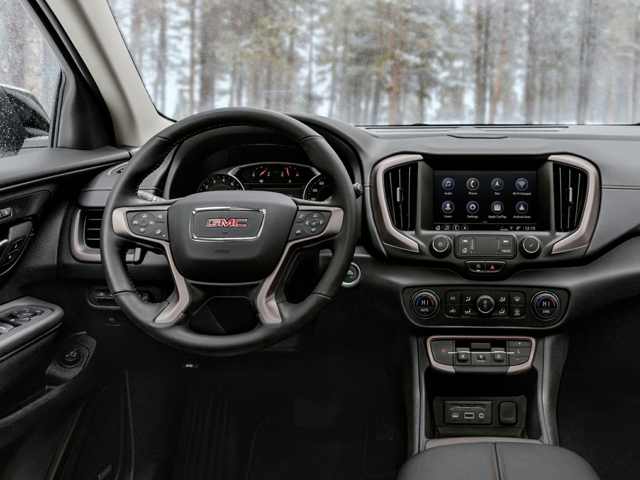
The steering wheel and front dashboard of a GMC vehicle

Transmission problems can develop over time due to worn or damaged parts. If they're not speedily repaired, they can lead to serious damage to your transmission. As your GMC dealer, we'd like you to know a few signs you need to visit us for transmission repair.

Slipping Gears

Your transmission computer automatically shifts gears to enable your GMC to move at the speed you desire. Your vehicle should then remain in the selected gear until it's shifted again by the computer. Slipping gears is a scary and dangerous situation where gear shifts happen unexpectedly. You'll feel a decrease in engine power, and you may hear harsh sounds from the transmission.

The most common reason for this problem is a lack of transmission fluid. This fluid provides the hydraulic power that enables the gears to shift. Slipping gears could also be caused by a problem with the transmission computer, a faulty linkage, or worn gear teeth. Our technicians will need to investigate to determine the cause of the problem, then we'll repair it.

Stalling

Most drivers think of spark plug issues if their car stalls, but a transmission problem could albo be to blame. The engine produces energy, which is focused by the transmission and directed to your wheels to enable them to move at the required speed. The torque converter is part of the transmission, and it connects the transmission to the engine. It engages and disengages as energy is transferred from the engine to the transmission.

A fault in the torque converter can cause it to engage later or disengage sooner than it should, and this causes the transmission to slip. If the transmission slips, your engine will stall. If the engine stalls and then restarts itself, the problem could be with the transmission lines. Our technicians will examine your transmission and fix the problem.

Burning Rubber Smell

The smell of burning rubber is appealing if you are at Daytona, but it's very concerning if it's coming from your transmission. This sharp, cloying smell is a sign that your transmission fluid is overheating and may be burning. We advise pulling over ASAP and contacting our service department so we can check your transmission.

Transmission fluid is essential for your transmission, as it provides hydraulic power to move the gears and helps to cool hot components. Older transmission fluid becomes less efficient and loses its heat-resistant properties. This can cause the fluid to overheat inside the hot transmission and burn. We can fix this issue by draining the old fluid, flushing the transmission to remove any traces, and then refilling it with fresh transmission fluid.

Contact the transmission experts today at Bob Stephen Motors in Manchester, IA.

Image via GMC
Posted in:

Related Posts

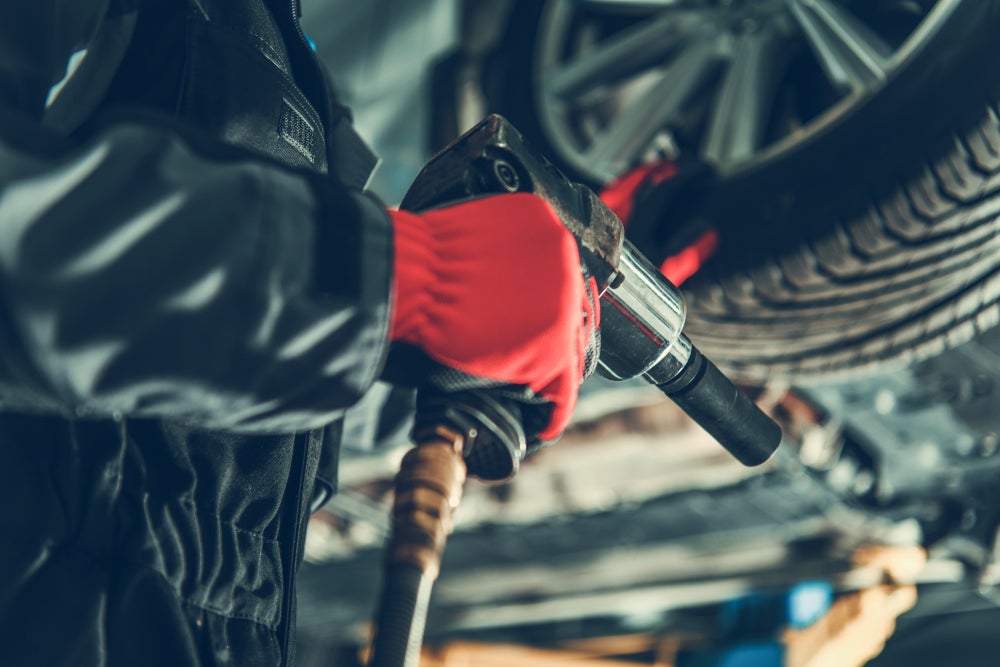
Mechanic servicing a vehicle’s tire and wheel with automotive tools.

How Often Should You Rotate Your Tires? Tips for Maintaining Your GM

If you’re trying to find the answer to the question, "When should I rotate my tires,” you're thinking like a responsible vehicle owner. Tire rotation is one of the simplest - and most overlooked - ways to extend the life of your tires and keep your GM vehicle performing at its best as you drive around Manchester, IA. Why Tire Rotation is Important for Your GM Vehicle Understanding when your tires need to be rotated starts with knowing why rotation is important in the first place. Tires wear unevenly depending on their position on the vehicle. Front tires typically carry more weight and handle steering, causing them to wear faster than rear tires. Regular rotation evens out that wear, helping all four tires last longer and maintain better traction on the road. How Often Should You Rotate Your Tires? Most automotive experts and manufacturers recommend rotating your tires every 5,000 to 7,500 miles. A helpful rule of thumb is to schedule a rotation every time you get an oil change - that way it becomes a natural part of your regular vehicle service routine. When thinking about your Chevy tire rotation schedule, keep in mind that driving habits and road conditions can affect how quickly your tires wear. Drivers who frequently tow heavy loads, travel on rough terrain, or put high mileage on their vehicles may benefit from rotating their tires closer to the 5,000-mile mark. Signs Your Tires Need Rotation Now Even if you follow a consistent GMC tire maintenance schedule, your tires will sometimes tell you they need attention before the next scheduled service. Watch for these common signs that a rotation may be overdue. Uneven wear patterns are one of the clearest indicators. If the tread looks noticeably different from one tire to another, it's time to rotate. You might also notice vibration in the steering wheel or a pulling sensation to one side. These symptoms often point to uneven tire wear and shouldn't be ignored. Tips for Staying on a Consistent Tire Rotation Schedule Staying consistent is the key to effective tire care. Here are a few simple ways to make rotation a habit. Set a reminder on your phone or calendar tied to your mileage. Keep your service records handy, so you always know when the last rotation was performed. And when you bring your vehicle in for any service appointment, ask your service advisor to check your tire wear at the same time. Schedule Your Next Tire Rotation at Bob Stephen Motors Knowing when you should rotate your tires and acting on that knowledge is one of the best things you can do to protect your car and stay safe on the road. Rotating your tires regularly reduces uneven wear, improves handling, and can even save you money by extending tire life. No matter if you drive a Chevy truck, SUV, or car, consistent tire maintenance pays off over time. Stop by Bob Stephen Motors or visit us online to schedule your next tire rotation with a team that knows your vehicle.

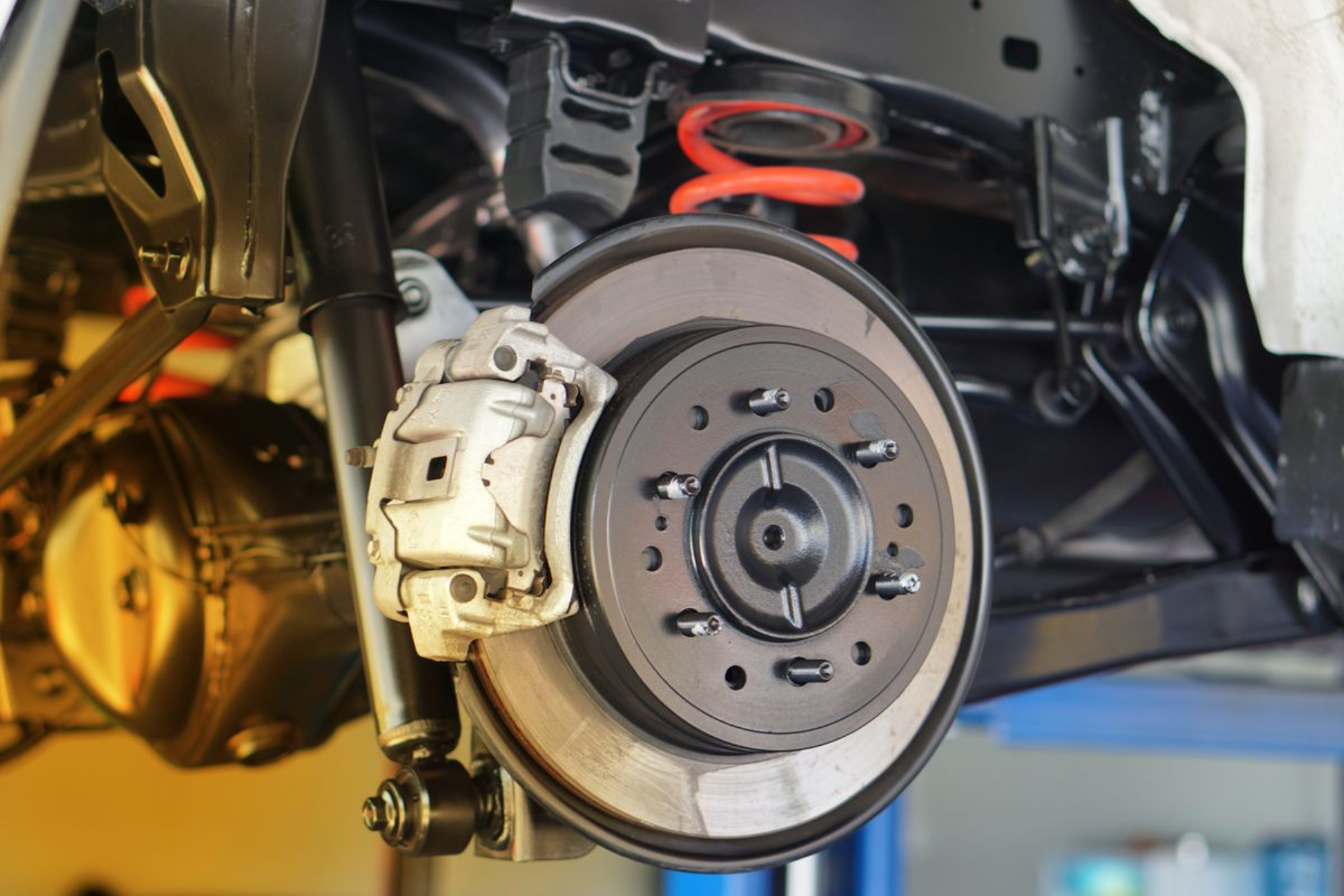
Close-up of a vehicle brake assembly showing rotor, caliper, and suspension components.

Don’t Ignore GMC Brake Issues: What Manchester, IA Drivers Need to Know

There’s a frustrating moment every truck or SUV owner dreads: your dependable GMC suddenly feels different when braking. Maybe the pedal feels spongy while approaching a stop in Manchester, IA. Maybe you hear a squeal while slowing down on the highway. Maybe the truck pulls slightly to one side on uneven roads. Brake Problems Never Improve Through Neglect Modern GMC trucks and SUVs are engineered for performance and safety, but brake systems endure heavy wear over time. A Sierra 1500 hauling equipment around Manchester. A Yukon navigating rough county roads. An Acadia stopping frequently in busy parking lots. Brake pads, rotors, and calipers all wear down eventually—that’s physics, not drama. Brake wear rarely announces itself politely. It starts subtly: a faint squeal, a slight vibration in the pedal, or a feeling that stopping distances are increasing. Left unaddressed, worn pads and damaged rotors can affect braking stability, increase wear on other components, and even compromise safety. Brake Feel Matters More Than Most Drivers Realize A healthy GMC brake system should feel firm and predictable. Larger vehicles like the Yukon or Sierra HD rely on precise brake performance to maintain control. Loose, spongy, or inconsistent braking, pulling to one side, or vibration through the pedal are all warning signs that your brakes need attention. On Manchester roads, where uneven pavement and rural terrain are common, these issues can become noticeable quickly. Neglecting brake service can also turn one minor repair into several. For example, worn pads left too long can damage rotors, calipers, and even brake lines, increasing repair costs and downtime. Strange Noises Are Rarely “Normal” Some drivers assume squeaks, grinding, or metallic rattles are just part of a vehicle “breaking in” or old age. They are not. Squealing, grinding, or a scraping noise when braking generally indicates worn pads, glazed rotors, or other components that need attention. Ignoring these symptoms rarely makes them go away, and can compromise safety for you, your passengers, and everyone on the road. Why GMC Certified Service Matters Brake diagnostics and repair require experience, proper inspection equipment, and knowledge of how GMC trucks and SUVs are designed to perform. That’s where GMC Certified Service at Bob Stephen Motors becomes invaluable. Factory-trained technicians can identify wear patterns, check rotor thickness, inspect calipers and brake lines, and replace worn components with genuine GMC parts. Modern GMC brakes are finely tuned for safety, towing stability, and ride comfort, and using certified service ensures repairs maintain the vehicle’s original performance. Drivers in Manchester can also combine brake inspections with tire rotations, alignments, and seasonal maintenance, preventing small issues from becoming expensive and dangerous problems. Properly Maintained GMC Brakes Feel Remarkably Reliable A well-maintained GMC brake system feels firm, responsive, and predictable. Whether you’re hauling heavy loads in a Sierra, towing in a Yukon, or driving a family Acadia through town, you’ll notice the difference. After replacing worn pads or servicing the system, stopping feels smooth and controlled, restoring confidence and safety with every drive. Drivers in Manchester and surrounding cities can schedule GMC Certified Brake Service at Bob Stephen Motors to inspect, maintain, and repair brakes before minor issues turn into major safety hazards.

winter service

Stay Safe on the Road This Winter with These Simple Chevy Maintenance Tips

Winter in Manchester, IA, brings its share of challenges for drivers. From icy roads to frigid temperatures, your Chevy needs proper care to ensure safety and performance. Following these essential Chevy winter maintenance tips, you can prepare your vehicle for the season ahead and enjoy stress-free winter driving. Why Winter Maintenance is Crucial for Your Chevy The harsh winter months can take a toll on any vehicle, including your Chevy. Snow, ice, and freezing temperatures put extra strain on essential systems like your battery, tires, and brakes. By prioritizing winter car care, you not only extend the life of your vehicle but also ensure the safety of you and your passengers. For instance, a well-maintained battery prevents cold-weather starting issues, while proper winter tire maintenance improves traction on slippery roads. Chevrolet winter service experts recommend scheduling a seasonal check-up to address potential problems before they arise. Key Chevy Winter Maintenance Tips 1. Winterize Your Tires Tires are your vehicle’s only contact with the road, making them crucial for winter driving. Switching to winter tires or ensuring your all-season tires have adequate tread depth can make a huge difference. During your Chevrolet winter service, professionals can inspect your tires for wear and adjust the air pressure to account for colder temperatures. Proper winter tire maintenance maximizes grip and minimizes the risk of skids. 2. Check Your Battery and Fluids Cold weather reduces battery efficiency, which can lead to starting problems. Have your Chevy's battery tested and replaced if necessary. Additionally, ensure your fluids—such as engine oil, coolant, and windshield washer fluid—are winter-ready. Using low-temperature-grade oil and freeze-resistant washer fluid are simple yet effective steps in preparing your Chevy for winter. 3. Inspect Your Brakes and Lights Snow and ice significantly impact stopping distances. Your brakes need to be in peak condition for safe winter driving. Schedule a brake inspection as part of your Chevrolet winter service to identify any signs of wear or damage. Don’t forget to check your headlights, taillights, and turn signals as well; clear visibility is essential for Chevy road safety during foggy or snowy days. Additional Cold Weather Driving Tips While maintaining your Chevy is critical, adopting smart driving habits is equally important. Always keep an emergency kit in your car, including items like a blanket, flashlight, and extra phone charger. Reduce speed and increase following distances on icy roads to enhance your safety. These cold weather driving tips will keep you prepared for any unexpected situations. Trust Bob Stephen Motors for Expert Winter Care At Bob Stephen Motors in Manchester, IA, we understand the unique challenges of winter driving. Our certified technicians are here to provide top-notch Chevrolet winter service, ensuring your vehicle is ready for anything the season throws your way. Whether you need a battery replacement, tire inspection, or complete winterization, we’ve got you covered.