



Blog / GM Service Center

Getting a New Car Battery for Your Chevy

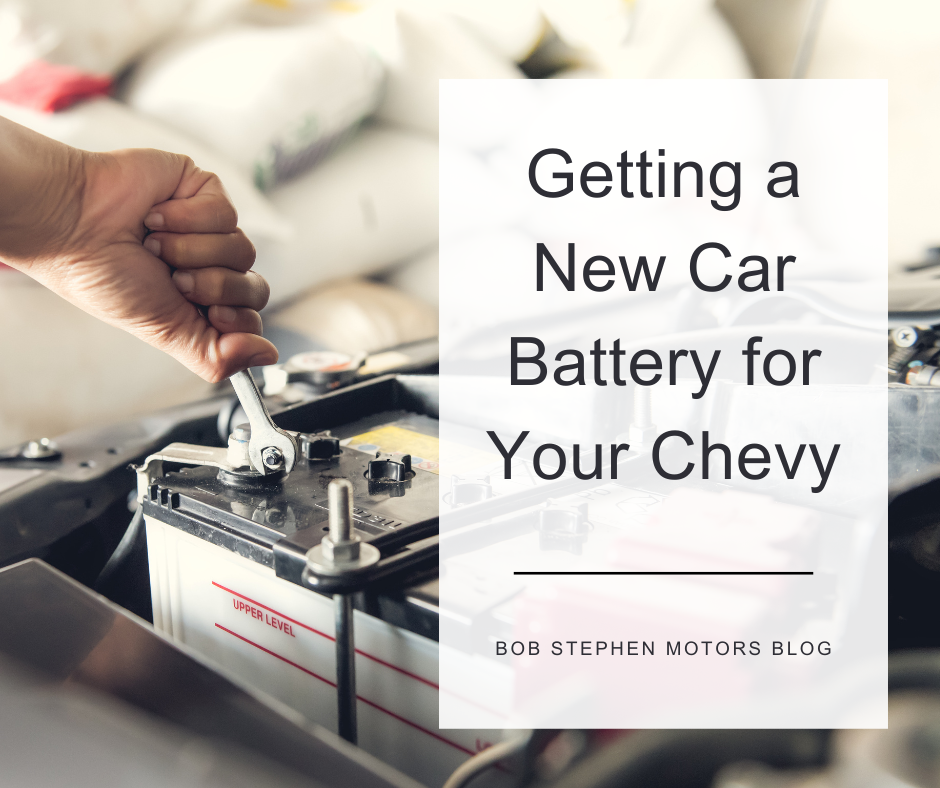
A photo of a car batter being installed and the text: Getting a New Car Battery for Your Chevy

It's a bright new day and time to go to work, but suddenly, your car won't start. Many people experiencing this issue simply need a new car battery from their Chevy dealer.

How Often Do You Need a New Car Battery?

Most car batteries last between three and five years. You could technically go longer without replacing the battery if yours still works, but you'll start having some problems if you don't get it replaced. Batteries become less powerful as they age, so you might notice your car is sluggish when it starts up, it isn't as powerful to drive, and you can no longer run multiple battery-powered accessories at once.

When Is It Time to Head to the Chevy Dealer for a New Battery?

When Your Battery Is Damaged

Batteries may swell up or develop bubbles/bulges on their surface at any time. Batteries with these issues are damaged and need to be replaced. Your battery might also start leaking, which creates an odor similar to rotten eggs under the hood. The battery's terminals may also corrode when your battery's acid is leaking out.

When the Battery Dies

If your battery seemingly dies out of nowhere, then it probably means the battery is old and should be replaced. The battery may also die if you haven't driven in a while, and that doesn't always mean the battery is heading into its last days. It just means you should drive a little more, even just a few times a week, so the battery can charge up.

If your battery ever dies multiple times within a few days or weeks, then it should be checked out at the dealer, even if it isn't three years old yet.

When the Accessories Suffer

Dimming headlights, dim dashboard lights, or a stereo that won't work are all signs that your battery is getting old and should be replaced as soon as possible. When the battery struggles to power all of the electronics, it's going to struggle to power up your car at some point in the near future.

How Can You Make Your Car Battery Last Longer? 

Every car battery has a finite lifespan, but there are a few things you can do to help make yours last a little longer. Clean the terminals if they develop any corrosion, and talk to your dealer about the corrosion if it keeps cropping up. Never leave your lights or other accessories running overnight, and limit how many accessories you use when your car is idling to avoid straining the battery. Try to take lengthy trips regularly, so your battery can fully charge, too.


Is it time to get your battery replaced? Come and get your new one at Bob Stephen Motors today.

Image via
Posted in:

Related Posts

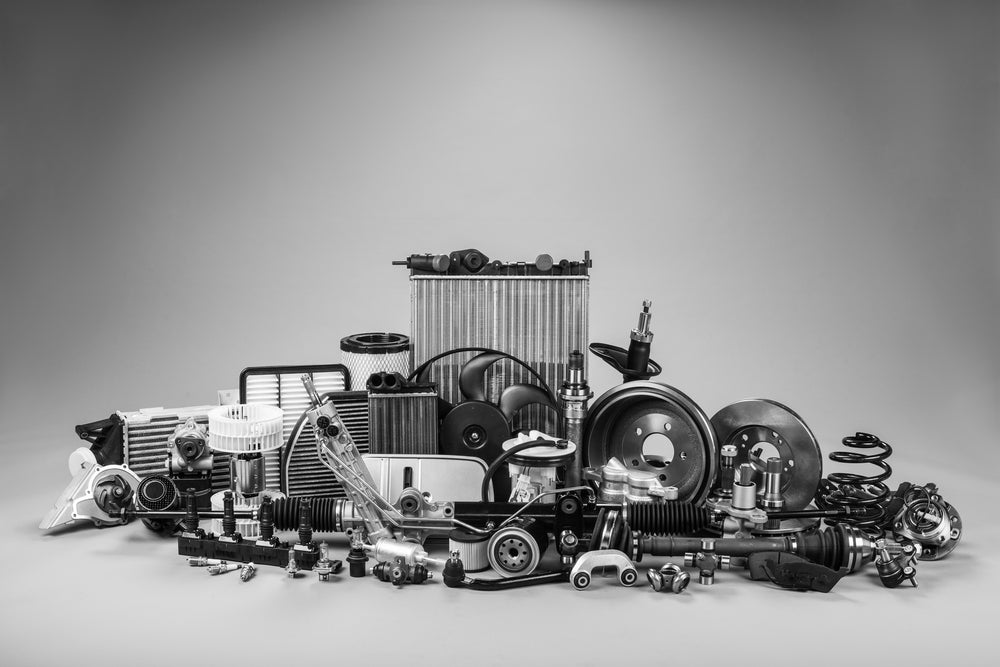
A black and white photo of car parts.

Maximizing Your Chevrolet's Performance with OEM Parts

If the performance and longevity of your car matter to you, it's important to use original equipment manufacturer (OEM) parts for replacements during repairs. OEM parts are better designed, more reliable, and perfectly compatible with the rest of your car. Let's take a closer look at the many performance-enhancing benefits you gain from having only OEM components installed at your local Chevy dealership. more Flawless Compatibility Each OEM car part was designed by the same Chevrolet engineers who constructed your car. As such, OEM car parts are perfectly compatible, as much as the original components being replaced. With an OEM car part, it's like waving a magic wand and restoring your original worn-out component to brand-new condition. By contrast, using aftermarket parts gradually turns your car into a Frankenstein's monster filled with random components sourced from various generic parts manufacturers. These generic parts are never as compatible as original OEM components and often require alterations or modifications. Even then, aftermarket parts always lack the same precise technical specifications as the original Chevrolet component. This mismatch naturally reduces overall vehicle performance. Superior Quality With OEM components, your new part is stamped with the Chevrolet brand and guaranteed superior quality. It goes without saying that better quality car parts equals better handling, steering, braking, engine power, suspension, transmission, and any other essential vehicle function. Greater Longevity OEM car parts also allow your car to perform better over the longer term. Components designed by Chevrolet are built to last, whereas, with generic aftermarket parts, you never know how rapidly they'll wear down and malfunction. Less Vehicle Wear and Tear By minimizing wear and tear on connected parts, OEM components also enhance the longevity of your car as a whole. With an imperfect fit and inferior quality, generic car parts often accelerate the wear of the entire vehicle. Long-Term Cost Savings Both the lifespan of a car and its overall performance are typically negatively correlated to the number and frequency of repair jobs. As OEM car parts wear down more slowly and suffer fewer faults, you have less frequent need for repairs and replacements. This maintains vehicle performance and can also amount to significant cost savings on vehicle upkeep over the long run. Visit Your Chevy Dealership for Further Guidance on OEM Car Parts A trusted technician at your local dealership can show you in more detail the difference between an original OEM car part and a generic aftermarket component. Once you realize the impressive benefits of opting for genuine Chevrolet car parts, you're bound to choose only OEM car parts from now on. Visit Bob Stephen Motors in Manchester, IA today to have your car promptly repaired by experienced professionals. We're a local full-service dealership dedicated to providing an excellent customer experience, whatever your vehicle purchasing or servicing needs may be. Image via

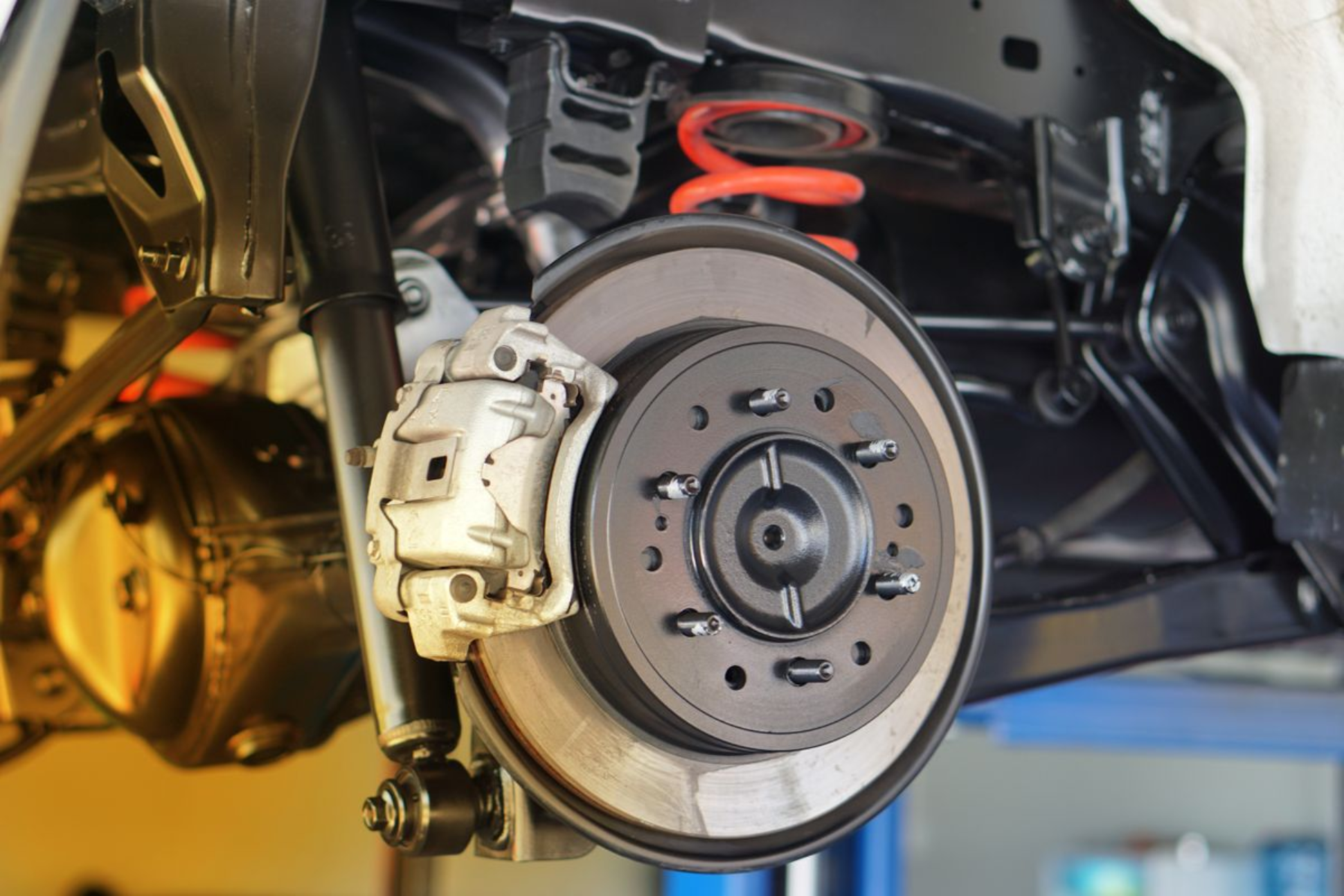
Close-up of a vehicle brake assembly showing rotor, caliper, and suspension components.

Don’t Ignore GMC Brake Issues: What Manchester, IA Drivers Need to Know

There’s a frustrating moment every truck or SUV owner dreads: your dependable GMC suddenly feels different when braking. Maybe the pedal feels spongy while approaching a stop in Manchester, IA. Maybe you hear a squeal while slowing down on the highway. Maybe the truck pulls slightly to one side on uneven roads. more Brake Problems Never Improve Through Neglect Modern GMC trucks and SUVs are engineered for performance and safety, but brake systems endure heavy wear over time. A Sierra 1500 hauling equipment around Manchester. A Yukon navigating rough county roads. An Acadia stopping frequently in busy parking lots. Brake pads, rotors, and calipers all wear down eventually—that’s physics, not drama. Brake wear rarely announces itself politely. It starts subtly: a faint squeal, a slight vibration in the pedal, or a feeling that stopping distances are increasing. Left unaddressed, worn pads and damaged rotors can affect braking stability, increase wear on other components, and even compromise safety. Brake Feel Matters More Than Most Drivers Realize A healthy GMC brake system should feel firm and predictable. Larger vehicles like the Yukon or Sierra HD rely on precise brake performance to maintain control. Loose, spongy, or inconsistent braking, pulling to one side, or vibration through the pedal are all warning signs that your brakes need attention. On Manchester roads, where uneven pavement and rural terrain are common, these issues can become noticeable quickly. Neglecting brake service can also turn one minor repair into several. For example, worn pads left too long can damage rotors, calipers, and even brake lines, increasing repair costs and downtime. Strange Noises Are Rarely “Normal” Some drivers assume squeaks, grinding, or metallic rattles are just part of a vehicle “breaking in” or old age. They are not. Squealing, grinding, or a scraping noise when braking generally indicates worn pads, glazed rotors, or other components that need attention. Ignoring these symptoms rarely makes them go away, and can compromise safety for you, your passengers, and everyone on the road. Why GMC Certified Service Matters Brake diagnostics and repair require experience, proper inspection equipment, and knowledge of how GMC trucks and SUVs are designed to perform. That’s where GMC Certified Service at Bob Stephen Motors becomes invaluable. Factory-trained technicians can identify wear patterns, check rotor thickness, inspect calipers and brake lines, and replace worn components with genuine GMC parts. Modern GMC brakes are finely tuned for safety, towing stability, and ride comfort, and using certified service ensures repairs maintain the vehicle’s original performance. Drivers in Manchester can also combine brake inspections with tire rotations, alignments, and seasonal maintenance, preventing small issues from becoming expensive and dangerous problems. Properly Maintained GMC Brakes Feel Remarkably Reliable A well-maintained GMC brake system feels firm, responsive, and predictable. Whether you’re hauling heavy loads in a Sierra, towing in a Yukon, or driving a family Acadia through town, you’ll notice the difference. After replacing worn pads or servicing the system, stopping feels smooth and controlled, restoring confidence and safety with every drive. Drivers in Manchester and surrounding cities can schedule GMC Certified Brake Service at Bob Stephen Motors to inspect, maintain, and repair brakes before minor issues turn into major safety hazards.

Radiator Repair in Manchester, IA

6 Signs Your Chevy Needs a Radiator Repair

An overheating engine is one of the most common causes of breakdowns. With this in mind, it's important to properly maintain your car's cooling system, including the most important part: the radiator. If you experience any of the following six issues while out on the road, you might need radiator repair. Visit your nearest Chevy dealership to have a technician inspect your car and get it back in good shape. Steam From Under the Hood A failing radiator will stop cooling and circulating antifreeze to keep your engine from overheating. And we all know from the movies that an overheating car engine lets off billows of white steam when you raise the hood. Well, this isn't entirely an exaggeration. The ordinary temperature of an active car engine is 195 to 220 degrees. The boiling point of most antifreeze is 223 degrees, which isn't much higher. So when an engine starts to overheat, the antifreeze will rapidly start turning to steam, escaping the radiator, and seeping out from under your hood. more Ticking Sounds From the Engine The next sign of an overheating engine is likely to be ticking or knocking sounds coming from the front of your car. These noises are mostly created by moving parts rubbing and bumping against each other with excess friction. Diminished Engine Power An overheating engine will stop functioning as well as it should, causing a loss of acceleration. If you don't pull over quickly to allow it to cool, the engine will eventually blow a gasket or seize up irreparably. Rising Temperature Gauge Always keep an eye on the many useful dials on your Chevy's dashboard. The engine temperature gauge will rapidly rise when you have a faulty radiator. If you see it rising above 220 degrees, you can be fairly sure something in your cooling system is malfunctioning.\ Leaking Antifreeze The radiator cap and hoses can sometimes spring a leak if they're corroded or damaged by a stone or debris. Antifreeze is an easily noticeable, brightly colored fluid. If you're in doubt, place some newspaper or cardboard under your car when you park and check it later for stains from dripping antifreeze. Excessive Rust on the Radiator Radiators can occasionally gather rust, especially in colder climates. It's a good idea to check your radiator for rust every now and then and clean any spots away with white vinegar or anti-rust products. Antifreeze has effective anti-rust properties, but aging antifreeze can sometimes fail to prevent rust inside the radiator. If this happens, your antifreeze will change to a rusty brown color. You'll need to have it flushed out and refreshed. How Your Chevy Dealer Inspects Your Radiator Firstly, a technician will check that your antifreeze is adequately clean, fresh, and at good levels. They'll scour your cooling system from top to bottom, looking for signs of leaks, rust, or corrosion. They'll then run a series of pressure tests on your radiator, checking the thermostat, radiator cap, fan, and more. And any problems they find, they'll promptly repair. Have your radiator fixed today at Bob Stephen Motors. We have a great inventory of new and used GMC and Chevrolet vehicles and courteous, knowledgeable staff to help you choose.